


Visually appealing, orchids also play an important ecological role by supporting biodiversity and specialised pollinators
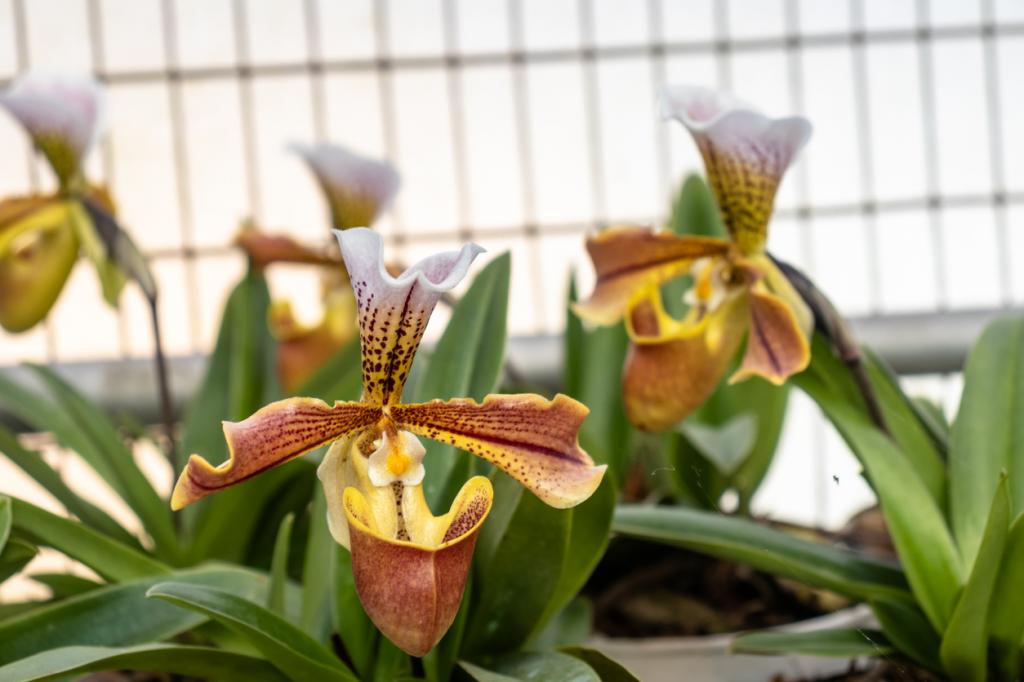
Paphiopedilum insigne, the state flower of Meghalaya, an exotic and rare orchid species admired for its unique pouch-shaped bloom and vibrant patterns.
Orchids are one of the largest and most beautiful plant families in the world and are often affectionately referred to as the ‘royal family’ of plants. According to the Orchid Specialist Group, there are around 28,000 naturally occurring orchid species globally. Orchids are admired for their unique shapes, long-lasting flowers, and exotic colours, and are found across almost all parts of the world, from tropical rainforests to temperate regions and even high-altitude landscapes such as the Himalayas.
Most orchids are epiphytes, growing on trees without harming them, while others are terrestrial growing in soil or dependent on fungi for nutrients. Each species has its own personality—some with petals shaped like dancing figures, others resembling birds or butterflies, and some mimicking insects to attract pollinators, earning orchids the reputation of being the beautiful cheaters of the plant world.
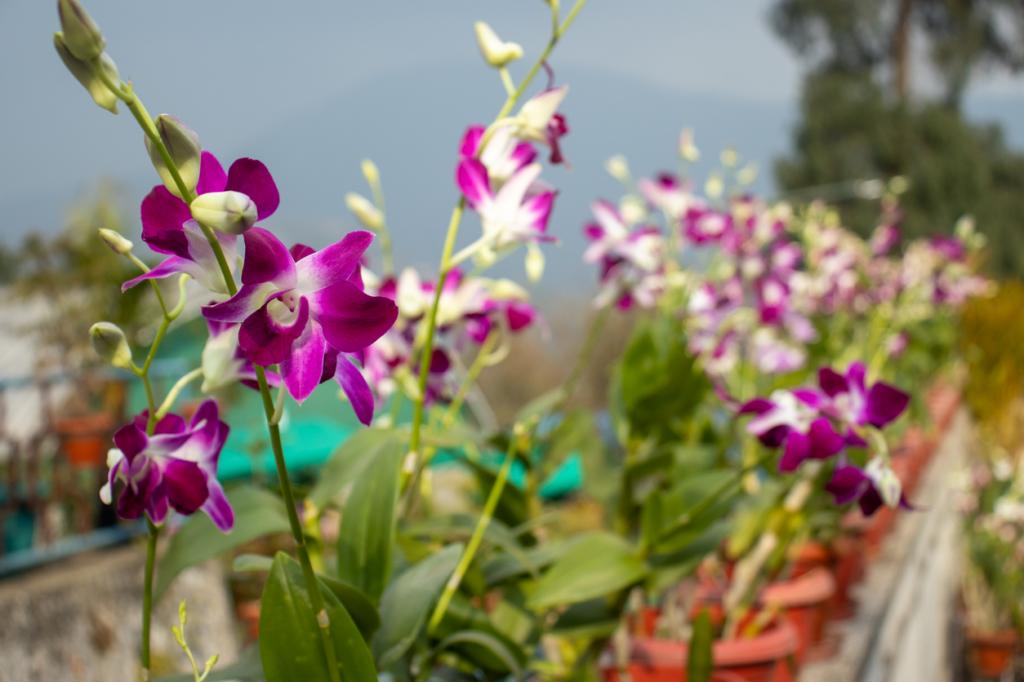
Dendrobium Nobile, the state flower of Sikkim
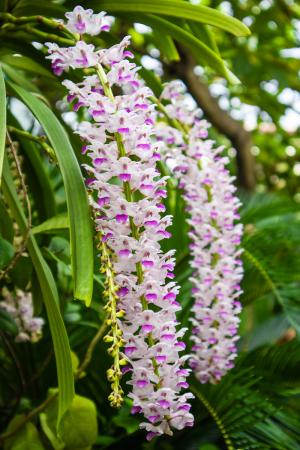
Several countries have adopted orchids as their national flowers, reflecting their cultural and symbolic importance. These include Singapore (Vanda Miss Joaquim), Honduras (Rhyncholaelia digbyana), and Colombia (Cattleya trianae), among others. In India too, states like Assam and Arunachal Pradesh have the Foxtail Orchid (Rhynchostylis retusa) as their state flower, while Sikkim recognises Dendrobium nobile, and Meghalaya has adopted orchid species such as Paphiopedilum insigne and Renanthera imschootiana as state flowers.
 |
Orchids have also featured on postage stamps issued by several countries including Singapore, Malaysia, Thailand, India, and others.
Orchids have a long history of use in traditional systems of medicine. In India, orchids have been used medicinally since the Vedic period. Ashtawarga, a formulation in Ayurveda, includes eight herbs, four of which are derived from different orchid species. Certain species of Dactylorhiza are used to prepare salep, a medicinal and nutritional product, while Vanilla planifolia, a climbing orchid, is one of the primary sources of natural vanilla flavouring.
Orchids require gentle care, including bright indirect light, limited watering, a well-aerated growing medium, and good ventilation to keep their roots healthy. When cared for properly, orchids reward growers with elegant blooms that can last for weeks and sometimes even months.
Today, orchids are among the most threatened plant groups due to illegal collection, habitat destruction, deforestation, and climate change. In India they are protected under the Wildlife (Protection) Act, 1972, while many species are listed under CITES to regulate international trade. Conservation efforts such as habitat protection, orchid sanctuaries, tissue culture propagation, and public awareness are essential, as protecting orchids is not only about saving a beautiful flower but preserving ecological balance and a vital part of our natural heritage.
Caption: Foxtail Orchid (Rhynchostylis retusa), the state flower of Assam and Arunachal Pradesh

Principal, Government Senior Secondary School, Bhaleth, District Hamirpur, Himachal Pradesh