


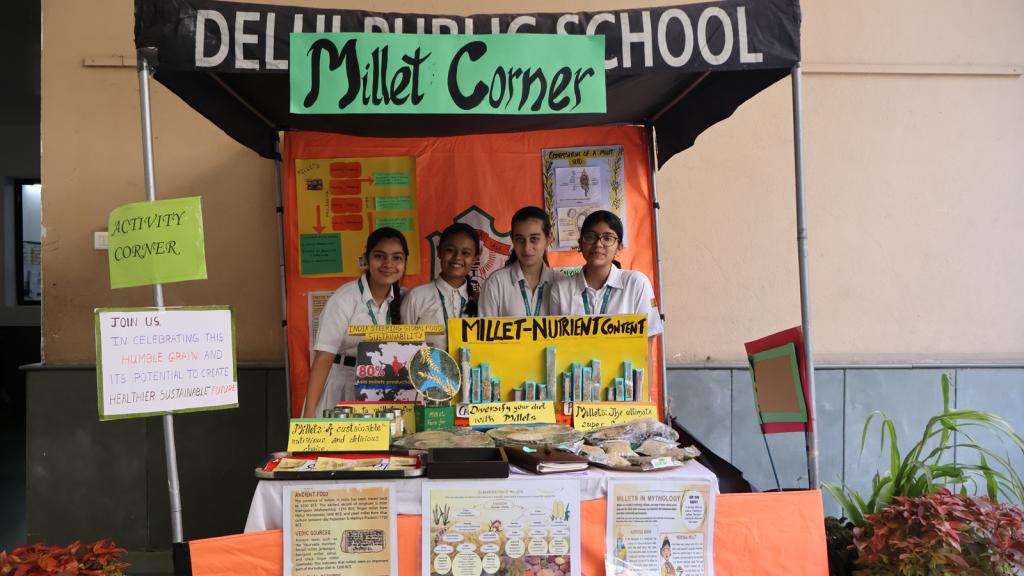
Jeeta Roy of Delhi Public School, Pune in conversation with Tushita Rawat, Green Schools Programme, Centre for Science and Environment on nurturing healthy food habits through a zero-waste approach.
Building healthy food habits isn’t simple, especially when we’re surrounded by an overload of packaged and processed food options. Think back to your own childhood. TV ads with favourite actors holding fizzy drinks and shiny bags of chips were everywhere. Tempting, no doubt. But in real life, whose words actually shaped what you chose to eat? For many of us, it was our teachers. The food habits we develop in school tend to stay with us.
One school that truly understands this responsibility is Delhi Public School, Pune, Maharashtra. The school received the Good Food Award at CSE’s Green Schools Programme (GSP) Awards Ceremony in January 2025 in New Delhi and was also featured in Imprints of Change: A Compendium of Sustainable Environmental Practices in Schools in India. It was recognised for the creative and sustainable steps it has taken to promote healthy eating among students. We spoke to the school’s GSP coordinator, Ms Jeeta Roy, to learn more about these efforts.
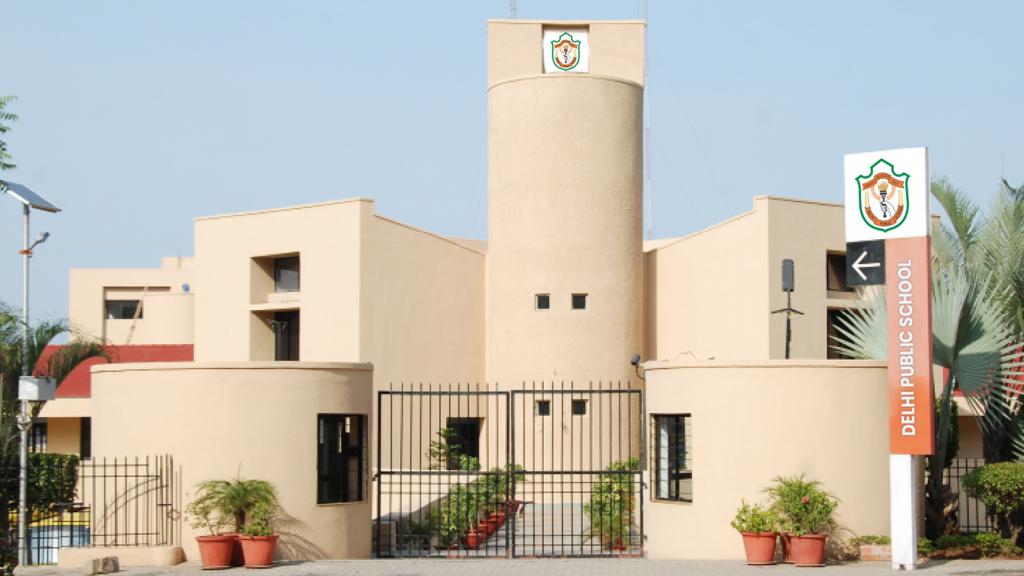
Delhi Public School, Pune, Maharashtra
Team GSP: Your school was recently featured in the GSP compendium of sustainable practices in the schools in India under the Food section. Can you briefly highlight the initiatives that helped the school achieve this?
Jeeta Roy: A lot of consistent efforts have resulted in our school winning this accolade. We adopted zero waste as our annual theme and shaped all our food-related initiatives around it. This theme runs through the entire year and gives students a clear direction on sustainability and mindful eating.
A big part of this effort is encouraging students to bring local, seasonal and home-cooked meals, while avoiding packaged food. We also include a suggested weekly menu in the school almanac so planning balanced meals becomes easier for the families. Students get hands-on exposure through ‘Farm-to-Table’ activities, where vegetables grown in our kitchen garden are used by the cookery club of the school.
We follow a strict ‘Zero Food Waste policy in school; students are nudged to bring only what they can finish. Any unavoidable leftovers are composted, along with garden waste, in our on-campus composting units. The compost is then used in the school and kitchen gardens, hence, closing the loop.
We also run awareness activities through assemblies, talk shows, poster campaigns and discussions on nutrition, millets, food miles and sustainable consumption around the year. Together, these efforts have helped us build a healthier and more environmentally conscious school community, which led to our recognition in Imprints of Change.
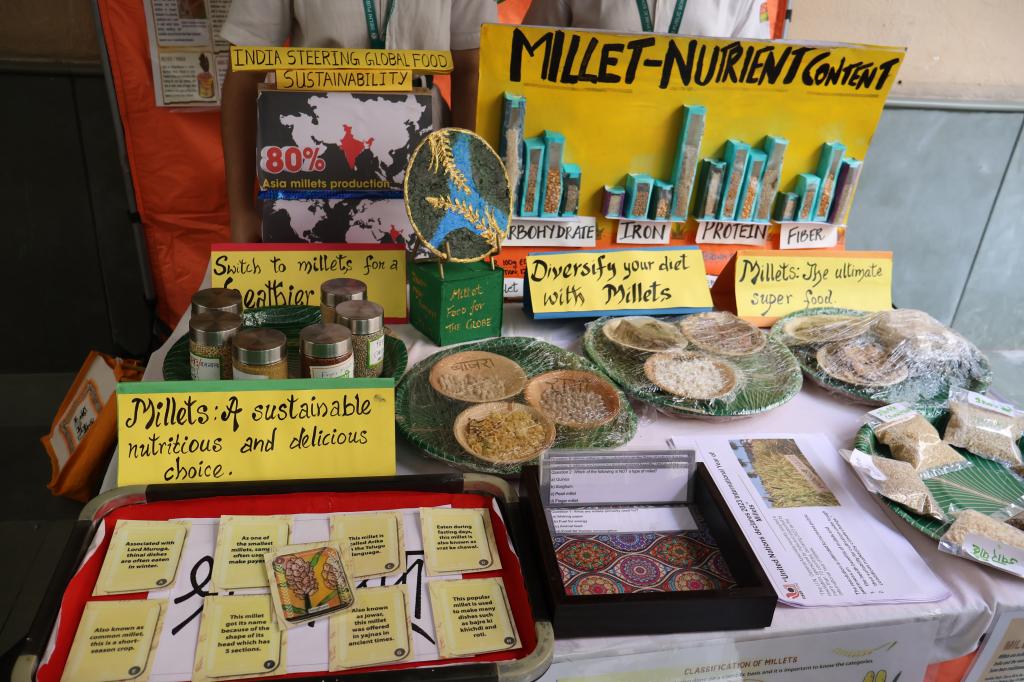
School creating awareness around millet and its benefits
Team GSP: You mentioned there is a dedicated initiative to promote millets in the school. What activities are taken up under this initiative? Has it led to a greater acceptance of millets among students?
Jeeta Roy: Yes, we run a focused millet initiative with month-wise activities from June to November. Over the past two years, we’ve held Millet Awareness Assemblies to teach students about the health and environmental benefits of millets. Display boards with posters, artwork and fun facts were prepared by students, teachers and even parents.
The Millet Tiffin Series and millet-based food stalls during the open house days encouraged families to try dishes like ragi idli, millet pulao and cookies. The Sanskrit Department of the school added an interesting touch by linking millets to traditional texts. Students also took part in interactive games, recipe book creation and poster-making on climate-smart crops.
These ongoing efforts have definitely led to a greater acceptance of millets among the school community. Students, teachers and parents are now more open to including millets in their meals and understand their role in healthy, sustainable living.
Team GSP: It’s indeed great to hear how the school community came together to create an impact. Let’s talk about another crucial initiative in the school — kitchen garden. How does the school involve students in growing their own produce? Does it help them make healthier food choices?
Jeeta Roy: Students are at the forefront of the kitchen garden initiative in the school. We have three well-maintained kitchen gardens for different age groups from Grades 3 to 12. Students plant seeds, water the beds and harvest vegetables and herbs, which gives them hands-on exposure to sustainable food-growing practices. The school has also formulated a group called The Green Backyard Club to provide expertise and facilitate plantation drives and other garden-related activities. The club provides guidance to students through sessions every week.
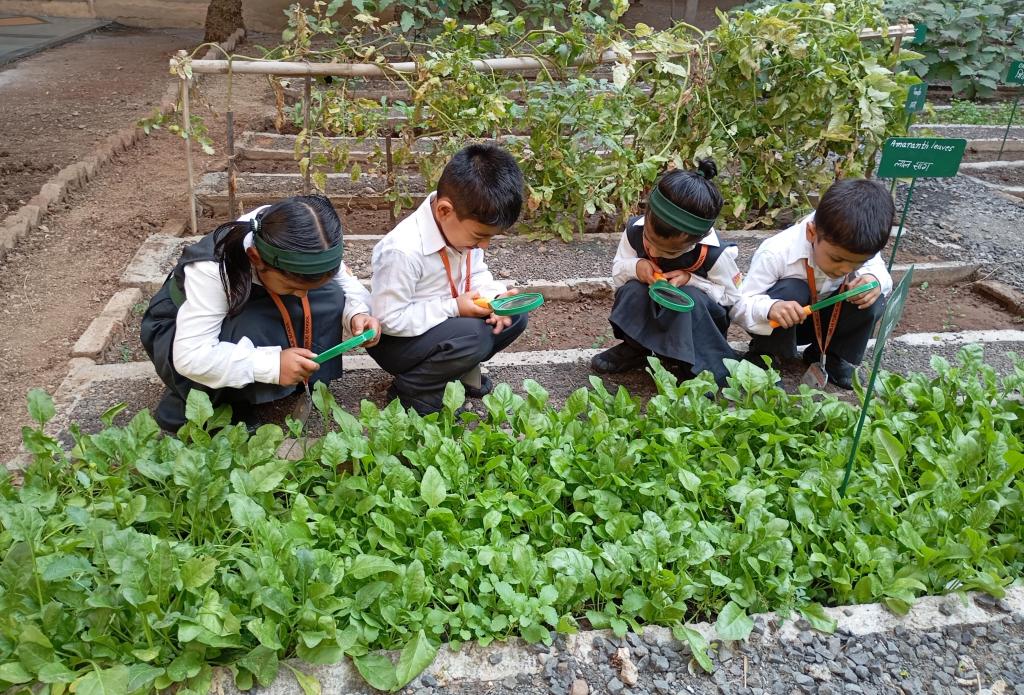
Students observing flora in school
Working in the garden helps students understand the journey of food from soil to plate, fosters a sense of responsibility, and builds a deep connection with nature. When they harvest and taste what they grow, students develop an appreciation for fresh, seasonal, and home-grown foods. This experience encourages them to make healthier food choices and reduces their inclination toward processed foods. Through this initiative, the school instills both environmental awareness and healthy eating habits in young learners.
Team GSP: What happens to the garden waste and food waste generated within the school? Are there any policies to minimise cooked food waste?
Jeeta Roy: All garden and food waste is managed responsibly through five composting units on campus. Biodegradable waste from the gardens and students’ lunchbox leftovers are collected and turned into rich compost, which we use in the school and kitchen gardens, closing the loop from plate to soil.
Since we don’t have a canteen, most food brought to school is home-cooked and portioned well, which naturally reduces waste. And under the ‘Zero Food Waste’ policy, students are encouraged to bring only what they can finish.
These steps help students understand the value of mindful eating, proper segregation and respect for food and the environment.

Programme Manager, Environment Education Unit, Centre for Science and Environment, New Delhi

Jeeta Roy, Subject Coordinator (Science) at Delhi Public School, Pune