



Through the streams and forests of the Western Ghats, Anu and Mohit follow the elusive trail of the small-clawed otter and explore its wondrous ecosystem

Recognising green schools that are redefining environmental responsibility

At the India AI Impact Summit 2026, Galgotias University proudly unveiled “Orion” — a ‘homegrown’ AI breakthrough that turned out to be a ready-made robot you could simply buy online. Which raises a bigger question: if innovation can be downloaded, is research now just rebranding? And what does that mean for students trusting such institutions with their futures? Because tomorrow’s problem-solvers on environment need real labs, real learning,and real ideas — not shiny claims on borrowed machines.
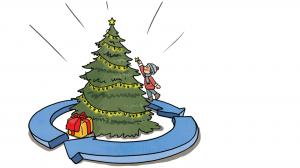
How festive consumption, waste, and energy use impact the environment—and simple ways to celebrate a more sustainable Christmas...

We know money can’t buy happiness. But it can buy something else — just look at Delhi this winter! The city’s 'Disastercard' is swiping us straight into smog. Industrial and vehicular emissions, low temperatures, stagnant winds, stubble burning, and festive firecrackers are turning the air toxic. And the hidden charges? Far beyond coughing or wheezing, Delhi’s air is harming almost every organ — raising heart disease, worsening asthma, affecting mental health, complicating pregnancies, and stunting lung growth in children. So, beware of this Disastercard, dear Young Environmentalists. Its cost is …

Against hidden indoor toxins are mighty air-cleaning plants—explore how nature helps us breathe better and why every home needs these green helpers.
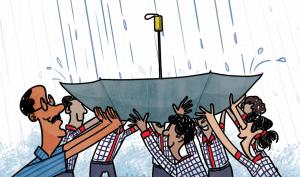
Through rainwater harvesting, green pledges, and online campaigns, one educator proves how simple steps can create lasting ripples of change.

Oops! Someone forgot to count war as a climate villain! From tanks that guzzle fuel to bombs that leave behind smoke and rubble, wars make our planet cry. Militaries cause 5.5% of greenhouse emissions—more than international aviation and shipping combined! Their carbon footprint ranks just behind the US, China, and India. Even forests, animals, and rivers aren’t safe when battles begin. The Ukraine war alone released more pollution than some entire European countries! In Gaza, it’s being called ecocide. Maybe that’s why Mr. Trump looks sorry here (finally!). Because no matter who wins the war—the …

How do people get to work in India? People use all kinds of ways: walking, cycling, riding scooters and mopeds, driving cars and jeeps, taking autos, buses, taxis, metros, trains, and even tempos! Some people even work from home. The way people travel differs a lot between cities and villages. Here’s a surprise from The State of India in Figures 2025, released by the Centre for Science and Environment: More people walk to work in cities than in villages! In cities, 2.6 crore people walk to work, while in villages, it’s 1.8 crore.

This entry won the first prize in the Class 9–10 category of the Dialogue Dhamaka Contest. This comic contest invites young eco-enthusiasts to give Babbi her voice—capturing wit, wisdom, and critical thinking about food and climate. Participants explore Babbi’s world, learn from her adventures, and craft dialogues that bring her quirky insights into life. The most creative entries are edited and published here to celebrate their talent.