



Most of us love fireworks during Diwali. But these bright and colourful crackers have a dark side It's the toxic metals that give fireworks the beautiful colours we find magical The red colour of a firecracker comes from Strontium, a metal that causes bone growth problems in children Barium, which gives fireworks the green colour, is harmful to the nervous system, the heart and can cause tremors, weakness, anxiety, shortness of breath and paralysis.

The clothing industry puts a huge strain on the environment. How? Let us take a look at the life of a common garment: t-shirt.

Water storage vessels like bottles, drums and pots should be cleaned and kept covered... Use mosquito nets. Don't wear clothes that expose your hands and legs and use a mosquito repellent cream.

We eagerly wait for the monsoons, but without the Continental Drift, we may have never had this season

When the rain gods do not send water for irrigation, farmers look downwards, at groundwater, for help. But, years of groundwater exploitation and lack of recharging, has led to a fall in the water tables. For instance, in north and central Gujarat, water tables have dropped to 20m per decade since 1974, as per a study by the Central Ground Water Board. If this continues, extracting groundwater will get more expensive because we have to dig deeper, or worse, groundwater will be only a myth for future generations.

Can leaves be a better alternative to plastic plates that are non-biodegradable? Read on to find what lesson the character learnt in the story!
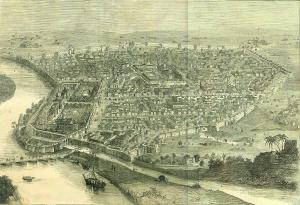
How the life around the Yamuna River changed with time and people Tributaries of the Yamuna flowed through the city and several rulers tapped the streams and fed the water through massive sluices into tanks, to provide water for their people. Today, these tributaries have dried up and become cemented tunnels underneath the city that carry sewage to the Yamuna.


