


Held as usual a few days before COP (October 28-31 last year), this youth conference is the biggest so far, with thousands of participants having registered from over 140 countries. This is leaps and bounds ahead of the few hundred participants that would attend the conference a decade ago. The sixth edition of the conference, for instance, held in Cancun, Mexico in 2010, saw just 500-odd attendees. The main agenda of the youth conference this year, as per Heeta Lakhani...

India has more than 1.5 million schools and 260 million students. Think about a regular day in these schools before the pandemic. Imagine the amount of waste— food waste, plastic, paper, stationery—produced in these schools in a day. Now, add COVID-19 waste to it as schools across the country are reopening. Imagine all of this waste going to landfills. Alarming, isn’t it?
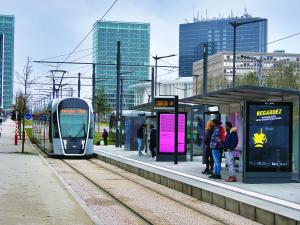
Delhi made bus rides free for women in October 2019 and it has been a mixed experience so far. Since the initiative was launched, women ridership has gone up from 30 per cent to 45 per cent but it has also left the Delhi Transport Corporation (DTC) worried about its mounting losses. The cash-strapped bus operator feels the losses will translate into poor bus service. This is worrying since 15 per cent of bus trips get cancelled every day due to poor maintenance. While the Delhi government plans to extend free bus services to students and senior citizens, many are wondering if the city can afford to make public transport free.

Carrying water by trains could be an emergency measure. Chennai has a strong tradition of water harvesting. But the problem is that most of these structures are either defunct or poorly maintained. Chennai which had 19 major lakes covering an area of 1130 hectares. But these waterbodies have been heavily encroached upon reducing their spread to just about 645 hectares. Its time that we understand the importance of water harvesting.

Tribal people are often potrayed as underdeveloped. But history actually shows something else. For the past few months, an uneasy calm is prevailing over the lives of Huaoranis—an Ecuadorian tribe living in the deep and dark forests of Amazon. Recently, they spot some outsiders in the forest. Not only that, the other day they saw a big bird with a deafening sound hovering over their village. This big bird was in fact a helicopter, which for us is as familiar as birds flying in the vast, blue sky. But for the Huaoranis, it only meant one thing...

A perfect activity to create art out of waste and unused paper

The Han meets the Yamuna river and tells her how even she can flow and flourish in peace. Han smiled and hugged Yamuna. For a moment, Yamuna forgot the toxic filled surrounding she lived in. Yamuna lowered her eyes and began opening up to Han. “Look where I live Han. I cannot breathe; move my arms or even my feet. Every day, the drains add more filth into the river and the people of the city for whom I travel from so far, do not even throw a glance at me. For them, I am a stinky black drain.”


